
A home rarely crumbles in one dramatic moment. It usually slips out of shape through tiny shifts, small leaks, and the sort of wear that hides until the repair bill forces its way into the budget. You can cut a lot of that stress by treating home care as a seasonal loop.
Each part of the year puts different pressure on a building. Heat strains one system, cold strains another, and storms see themselves in through any weak point they find.
A clear rhythm helps you stay ahead. When the seasons shift, your task list shifts with them. The work feels lighter. Things stay cleaner. Rooms feel more comfortable because you are taking care of the small problems before they turn into loud ones.
The guide will break down the most meaningful tasks for each season, plus some pro tips that come from years of watching what homeowners forget most often.
Spring
Spring tends to be a house’s honesty season. Winter hides a lot. Once the light gets brighter and the air warms up, hidden wear becomes easier to see. Spring also gives you the best temperature range for working indoors and outdoors.
Inspect the Exterior After Winter
Some homeowners skip the exterior check because they assume they will notice anything major from the driveway. You rarely do. A close look helps you catch issues before they grow teeth.
Take a slow walk around your home and check:
- Loose siding or warped trim
- Cracks around window frames
- Hairline splits in the foundation
- Missing caulk around outdoor faucets
- Shingles that lifted after wind or ice
A ladder helps you check gutters and flashing. You do not need to climb onto the roof, only far enough to see if anything shifted.
Clean Gutters and Downspouts
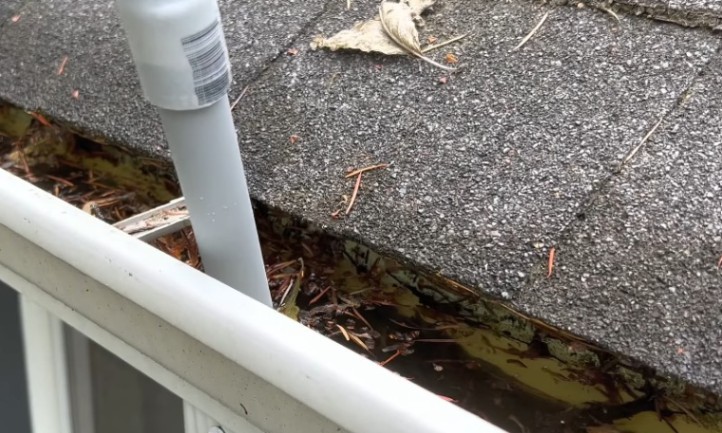
Winter storms push debris into corners where you do not expect it. The first heavy spring rain tests every weak spot. Clear out leaves, seed pods, and old grit so water escapes quickly. A clogged downspout can push water into siding or push it back toward the foundation.
A simple trick that many pros use is to run a hose into the gutter trough. The water will reveal exactly where the slowdowns and leaks are.
Many homeowners prefer to schedule a professional check at least once a year, and services like Gutter Cleaning Specialists can handle the heavy buildup before spring storms hit.
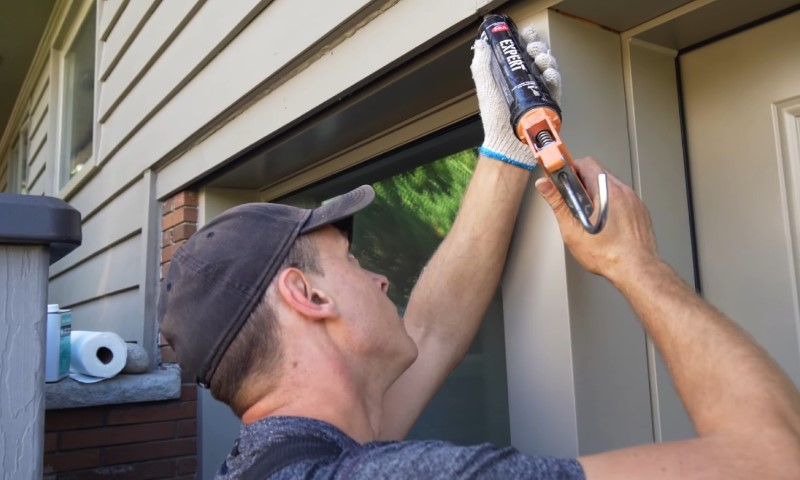
Refresh Exterior Caulk and Seals
Caulk ages faster than many homeowners expect. Temperature swings break the bond. By spring, you often see small cracks around windows, vents, and trim. A fresh bead keeps moisture out and reduces draft points.
Pick a mild day and start early. Caulk sets better when temperatures stay consistent for a few hours.
Service Your Cooling System
Spring is the right time to prepare for summer heat. A quick tune-up helps your air conditioner run smoothly, use less electricity, and avoid mid-summer breakdowns.
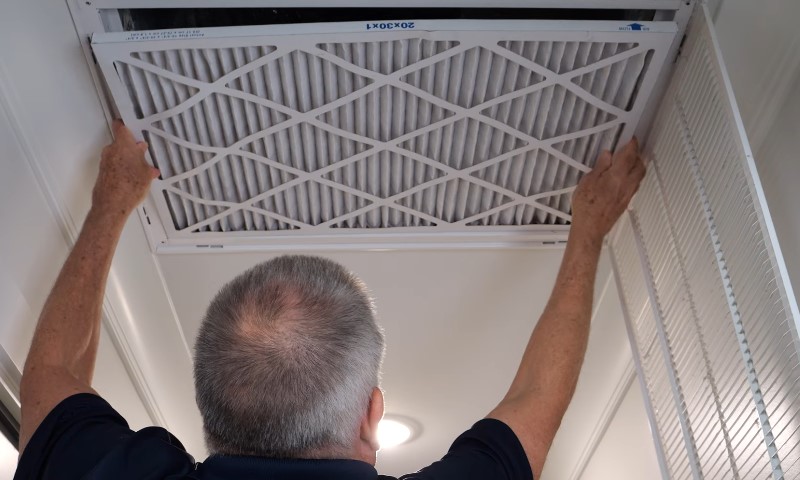
At a minimum, replace the filter and vacuum dust from the return vents. If you hire a technician, they will check coolant levels, blower performance, and electrical components.
Deep Clean High-Traffic Areas
Cold months push everyone indoors. Carpets, rugs, sofas, and curtains collect dust that settles quietly. Spring gives you dry air that speeds up drying times after a deep clean.
A simple plan:
- Move furniture and vacuum under it
- Wash curtains or send them out for cleaning
- Shampoo carpets or schedule a pro
- Wipe baseboards and door trim
Many homeowners are surprised by how much cleaner their rooms feel after taking this step.
Summer
Summer has long days and generally stable weather. It is the easiest time to tackle upgrades and outdoor repairs. Heat also reveals weaknesses in cooling systems, insulation, and ventilation.
Test and Improve Ventilation
Check for rooms that feel stuffy or spaces where the air feels trapped. Bathrooms and kitchens rely on exhaust fans that lose power when dust builds up around vents.
A quick fix:
- Remove the vent cover
- Vacuum the fan housing
- Clean the duct opening
- Run the fan and listen for irregular sounds
Proper ventilation protects against mold and reduces humidity that can warp wood.
Inspect Decks, Patios, and Fences
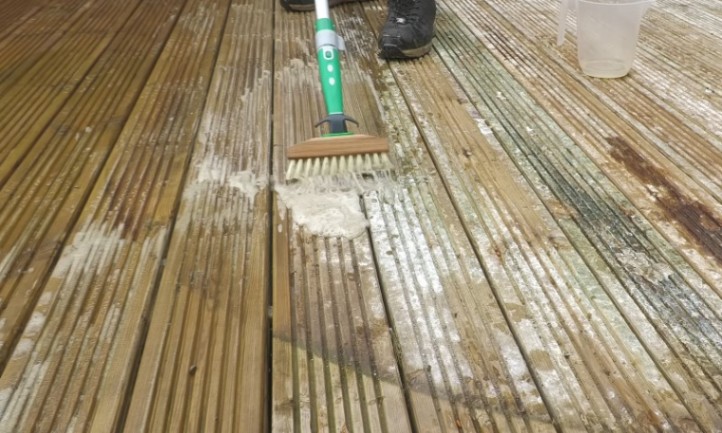
Summer is the outdoor season, and wooden structures take a fair beating under the sun, foot traffic, and rain bursts. Check for loose boards, splinters, peeling stain, and soft spots.
A simple table to guide maintenance:
| Component | Common Issue | Fix |
| Deck boards | Splintering | Sand and reseal |
| Railings | Loose screws | Tighten hardware |
| Fence posts | Leaning | Straighten and secure footing |
| Pavers | Uneven edges | Relevel with sand base |
If your deck color looks faded or patchy, apply a fresh coat of stain. Stain gives better long-term protection than paint because it penetrates the wood.
Check Outdoor Plumbing
Sprinklers, hoses, outdoor kitchens, and pool equipment all run harder in summer. A few quick checks help prevent water waste and mid-season repairs.
- Test every sprinkler zone
- Look for cracked drip lines
- Check hose bibs for small leaks
- Inspect the pool pump for unusual noise
Most issues take minutes to spot and save you from bigger problems in late July.
Inspect Windows and Screens
A breeze in summer feels great, as long as insects stay outside. Check screens for tears or loose edges. A small tear can be patched with a screen repair kit.
Wash windows while you are at it. Summer sunlight shows streaks clearly, so aim for a cloudy day to avoid quick drying.
Service Your Smoke Detectors and CO Alarms
Heat can speed up battery drain. Replace all batteries at the start of summer. Test every unit with the button. If your home has interconnected alarms, confirm they all trigger together.
Pros often recommend replacing entire units every seven to ten years because sensors gradually lose accuracy.
Fall
Fall is the season of prevention. You prepare your home for lower temperatures, longer nights, and the kind of storms that can push water into any weak spot.
Clean Gutters Before Leaf Season Ends
As trees drop leaves, gutters fill in layers. Wet leaves compress into heavy mats that block water. That weight can also pull gutters away from the house.
A thorough fall cleaning includes:
- Removing all leaves and needles
- Running water through each section
- Checking downspouts for full flow
- Inspecting gutter hangers for stability
- Ensuring water exits several feet away from the foundation
Some homeowners choose to install gutter guards at this point. Guards reduce future buildup, especially if you live near trees that shed heavily.
Inspect and Service Your Heating System
Furnaces and heat pumps work steadily from late fall through early spring. A tune up in fall gives you the best chance of smooth performance.
Key checks:
- Filter replacement
- Blower cleaning
- Burner inspection
- Thermostat test
- Safety switches
If you have a gas furnace, a technician will also check for leaks.
Seal Draft Points
As temperatures fall, small gaps feel bigger. Drafts raise heating bills and make rooms unevenly warm.
Check:
- Weatherstripping around exterior doors
- Window seals
- Gaps near attic hatches
- Cracks around outlets on exterior walls
Most fixes are affordable and take under an hour.
Protect Outdoor Plumbing
Unprotected pipes can freeze once winter hits. You want to get ahead of it.
Tasks include:
- Shutting off outdoor water lines
- Draining hose bibs
- Storing hoses indoors
- Adding insulated covers to exterior faucets
If you have an irrigation system, schedule a winterization blowout.
Prepare the Yard
A clean yard helps your home shed water properly and reduces rodent activity as cold weather arrives.
- Clear fallen branches
- Rake heavy leaf piles
- Trim shrubs away from siding
- Aerate and overseed the lawn if needed
The goal is to create space for healthy drainage around the home.
Winter
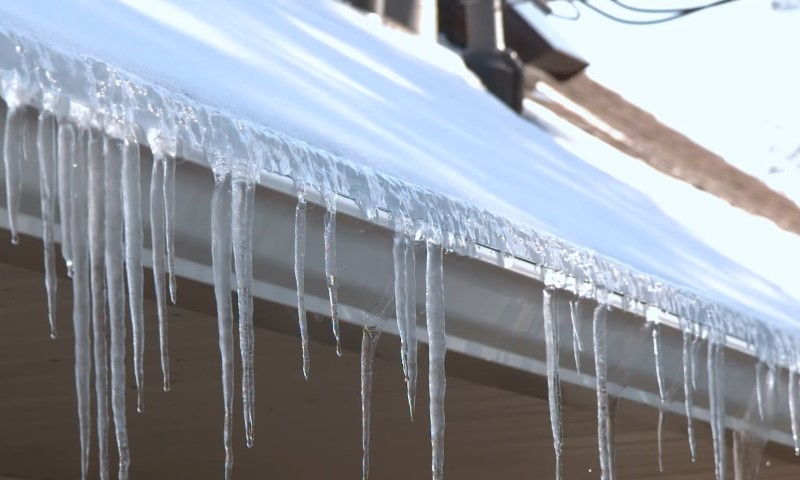
Winter maintenance focuses on protection. Cold weather puts stress on pipes, windows, insulation, and appliances. The work tends to be lighter but more focused on monitoring.
Test Weatherstripping Regularly
Cold air sneaks in through door sweeps, worn stripping, and loosely seated windows. You will notice it most during a cold snap.
Run your hand around the edges of doors and windows. If you feel air moving, tighten the hardware or add new stripping. The improvement in comfort is immediate.
Check for Ice Dams on the Roof
In regions that get snow, ice dams can push water beneath shingles. You do not need to stand on the roof to spot them. Look for thick ice ridges along the roof edge after a freeze.
If you see them forming, use a roof rake to clear snow from the lower edge. Never chip at ice with metal tools because that damages shingles.
Maintain Steady Indoor Temperatures
Fluctuating indoor temperatures can stress pipes. Aim for steady heating patterns. Avoid letting the house drop too cold at night, especially if pipes run through uninsulated walls.
Many homeowners set their thermostat between 62 and 68 degrees when away or asleep. Consistency protects plumbing and keeps humidity stable.
Inspect the Attic Periodically
Cold surfaces reveal moisture problems quickly. A winter attic check helps you catch early signs of leaks, blocked soffit vents, or insufficient insulation.
Look for:
- Frost buildup on nails
- Damp insulation
- Dark spots on wood
- Crushed insulation near the eaves
If anything looks off, a small repair now can prevent major damage during spring thaw.
Run Exhaust Fans After Showers and Cooking
Winter humidity spikes easily because you keep windows closed. Moisture settles on cold surfaces and invites mold.
Run bathroom and kitchen fans longer than usual. Twenty minutes is a common rule many inspectors recommend. It clears moisture and helps the home breathe even when sealed tight.
Year-Round Tasks That Matter
While seasonal work carries most of the load, some tasks protect your home no matter the time of year.
Replace HVAC Filters Every One to Three Months
Dust builds faster than most people expect, especially in homes with pets or people with allergies. A clean filter improves airflow and reduces strain on the system.
Test GFCI Outlets
Press the test button, confirm the outlet cuts power, then press reset. If it fails, schedule an electrician. GFCI outlets protect against electrical shock, so reliability matters.
Inspect Appliance Hoses
Washer hoses, dishwasher hoses, refrigerator water lines, and under-sink pipes all age quietly. Look for bulges, cracks, or corrosion. A $20 hose can prevent a multi-thousand-dollar floor repair.
Check Fire Extinguishers
Confirm pressure is in the green zone. Make sure the unit is easy to reach. Replace it if the gauge does not move or if the unit is more than a decade old.
Maintenance Table
| Season | Key Tasks | Notes |
| Spring | Exterior check, gutter cleaning, caulk refresh, AC prep | Catch winter damage early |
| Summer | Ventilation, deck repairs, outdoor plumbing, window screens | Best weather for upgrades |
| Fall | Gutter cleaning, heating tune-up, draft sealing, yard prep | Prevent cold season problems |
| Winter | Weatherstripping, attic checks, humidity control, pipe protection | Monitor and protect systems |
Pro Tips
View this post on Instagram
Inspectors see patterns that most homeowners only catch after an expensive repair. A few habits go a long way.
Take Photos Every Season
A quick set of pictures each season helps you track subtle changes. You can spot siding shifts, small cracks, or slow roof wear that you would not catch from memory.
Keep a Small Tool Kit in a Visible Spot
You are more likely to tighten a hinge, reseal trim, or fix a loose screw when the tools are easy to reach. A simple kit works fine.
Note Every Repair on a Single Sheet
Keep one page for the year. Every repair, big or small, goes on it. It helps identify patterns and makes future budgeting easier.
Do Light Checks at the Same Time Each Month
Walk through the house at night and look for shadows on walls, flickering bulbs, or signs of moisture near vents. Darkness reveals what daylight hides.
Closing Thoughts
A seasonal maintenance plan is not about turning home care into a second job. You are creating a calm loop that protects your home through predictable tasks. The rhythms feel natural once you follow them for a year. You repair what needs attention, strengthen what carries weight, and give your space the kind of care that pays off quietly.
Your home stays solid because you keep pace with the small shifts each season brings. Your workload stays reasonable because you never let the problems stack into a wall of repairs. Year after year, that steady pattern gives you a house that ages well and feels better to live in.