

When summer temperatures soar, homeowners rely heavily on their air conditioning systems to keep their homes comfortable. Unfortunately, the increased demand on AC units during the hottest months of the year often leads to breakdowns and repair needs.
Understanding the most common air conditioning problems can help homeowners recognize warning signs early and avoid costly emergencies. Companies like Grove Heating and Cooling regularly help homeowners address these issues before they become major disruptions.
Refrigerant Leaks
One of the reasons refrigerant leaks often go unnoticed at first is that the symptoms develop gradually. Many homeowners assume their air conditioner is simply struggling to keep up with extreme temperatures, when in reality the system is losing its ability to cool efficiently.
As refrigerant levels drop, the air conditioner must run longer cycles to achieve the same results, increasing both wear and energy consumption. Refrigerant leaks are one of the most frequently reported summer AC repairs and can lead to compressor damage if ignored.
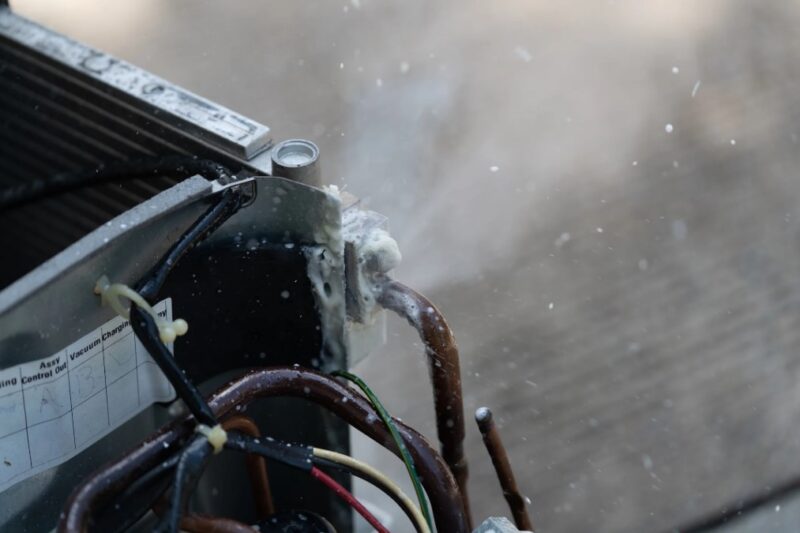
Several warning signs may indicate a refrigerant problem:
- You notice warm or lukewarm air coming from supply vents even when the thermostat is set correctly.
- Cooling cycles seem longer than usual and your home never quite reaches the desired temperature.
- Ice forms on refrigerant lines or evaporator coils.
- Utility bills increase without any significant change in household usage.
- Hissing or bubbling sounds develop around the indoor or outdoor unit.
Many homeowners are surprised to learn that refrigerant does not get “used up” like fuel. If levels are low, there is almost always a leak somewhere in the system that requires professional repair. Simply adding refrigerant without fixing the source of the leak only provides a temporary solution.
Frozen Evaporator Coils
Frozen coils can seem confusing because homeowners often associate ice with cooling. In reality, ice buildup on an air conditioner is a sign that something is wrong. When airflow becomes restricted or refrigerant levels drop, the coil temperature can fall below freezing, causing moisture in the air to turn into ice. Eventually, that ice blocks airflow even further and cooling performance drops dramatically.
A frozen evaporator coil often creates a chain reaction of problems. Reduced airflow makes rooms feel stuffy and uncomfortable. As the ice melts, excess water can overflow into the drain system and create moisture issues around the indoor unit.
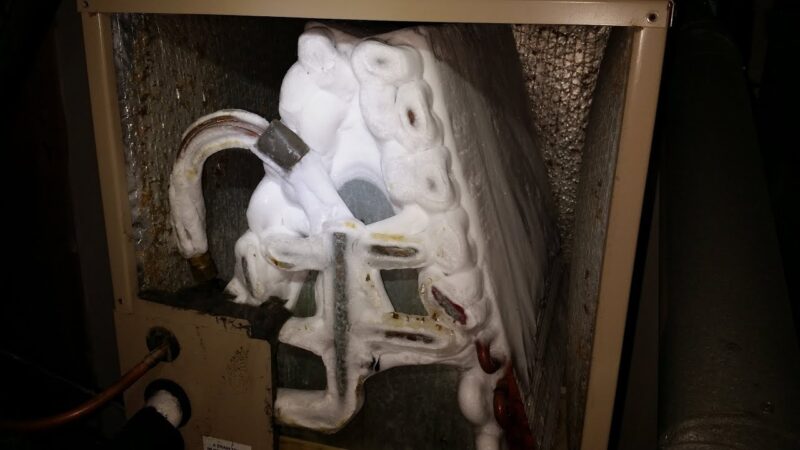
Homeowners frequently notice:
- Weak airflow from vents
- Uneven cooling between rooms
- Water accumulation near the air handler
- An air conditioner that runs continuously but struggles to cool the home
Replacing a clogged air filter is sometimes enough to solve a minor airflow restriction. However, recurring coil freezing typically points to a larger issue that requires professional diagnosis.
Clogged Condensate Drains
Air conditioners remove moisture from the air as they cool your home. This moisture drains through a condensate line. Over time, dirt, dust, mold, and algae can clog the drain line, causing water backups. Homeowners may notice water pooling around the indoor unit or increased indoor humidity. Routine maintenance from Grove Heating and Cooling can help prevent drain line blockages and water damage.
Electrical Component Failures
Modern air conditioning systems depend on numerous electrical parts working together seamlessly. Capacitors help motors start, contactors control power flow, and relays manage communication between system components. Summer heat places considerable strain on these parts, particularly during extended periods of continuous operation.
Electrical failures can appear suddenly. An air conditioner that worked the previous day perfectly may refuse to start the next afternoon. In other situations, homeowners may notice intermittent issues that become progressively worse over time.
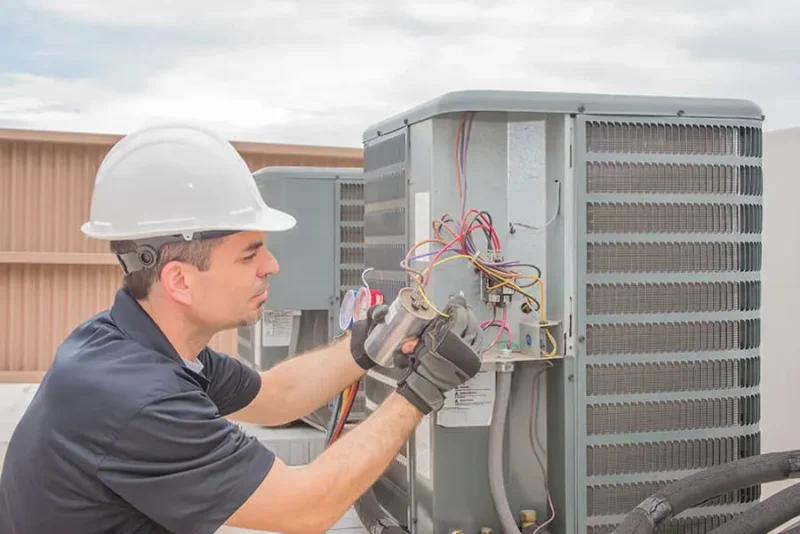
Common symptoms include:
- Clicking sounds during startup
- Frequent system cycling
- Unexpected shutdowns
- Failure of the outdoor condenser unit to activate
- Circuit breakers that repeatedly trip
Because electrical repairs involve high-voltage components, they should always be performed by trained HVAC professionals who can safely diagnose the root cause and replace damaged parts.
Dirty or Failing Fans
Airflow is the foundation of efficient cooling. Even if the refrigeration components are functioning perfectly, poor airflow can dramatically reduce comfort and increase operating costs.
The indoor blower fan distributes conditioned air throughout the home, while the outdoor condenser fan removes heat from the system. When either fan begins to fail, the air conditioner loses efficiency and must work harder to maintain indoor temperatures.
Several factors contribute to fan-related problems:
- Dust and debris accumulation
- Motor wear after years of operation
- Loose components creating vibration
- Damaged fan blades that affect balance and airflow
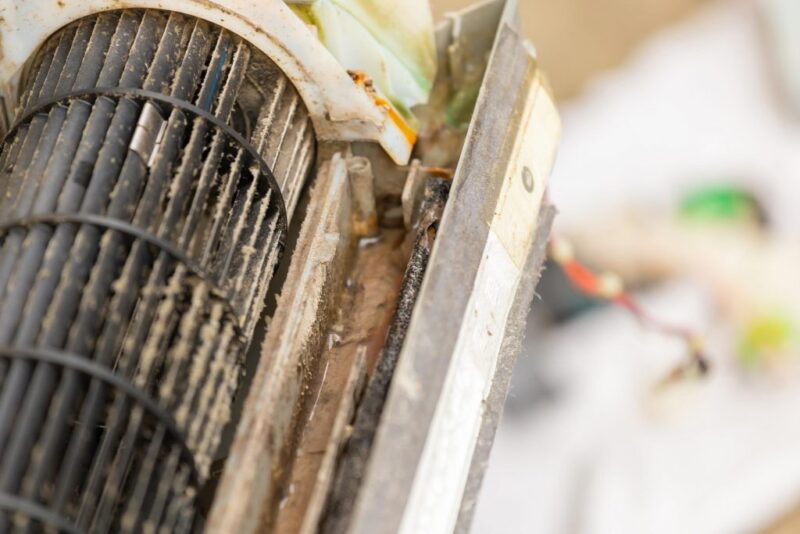
Many homeowners first notice fan issues through unusual noises. Grinding, squealing, rattling, or buzzing sounds should never be ignored. Addressing these problems early can prevent more expensive repairs later and help preserve the lifespan of the entire cooling system.
Thermostat Problems
Sometimes the issue is not with the AC unit itself but with the thermostat. Faulty thermostats can cause inaccurate temperature readings, short cycling, or failure to activate the cooling system. Upgrading to a programmable or smart thermostat may improve both comfort and energy efficiency.
Why Early Repairs Matter
One of the biggest mistakes homeowners make during summer is delaying service when minor symptoms appear. A small refrigerant leak, dirty coil, or failing capacitor may not seem urgent at first, but these issues often place additional strain on other components. Over time, what started as a relatively inexpensive repair can lead to compressor damage, system shutdowns, or significantly higher energy bills.

Scheduling repairs at the first sign of trouble offers several advantages:
- Lower repair costs
- Improved energy efficiency
- Better indoor comfort
- Reduced risk of emergency breakdowns
- Extended equipment lifespan
When temperatures reach their seasonal peak, HVAC companies often experience higher demand and longer wait times. Addressing small concerns early can help homeowners avoid the inconvenience of losing cooling during the hottest days of summer.
Final Perspective
Most summer AC repairs start with small warning signs that are easy to overlook. Reduced airflow, unusual noises, higher energy bills, or inconsistent cooling often indicate a problem that should be addressed sooner rather than later.
Issues such as refrigerant leaks, frozen coils, clogged drain lines, and worn electrical components can worsen quickly when an air conditioner is working overtime in hot weather.
Regular maintenance and prompt repairs help improve efficiency, extend system lifespan, and reduce the risk of unexpected breakdowns.
A little preventive attention can go a long way toward keeping your home comfortable throughout the summer.